
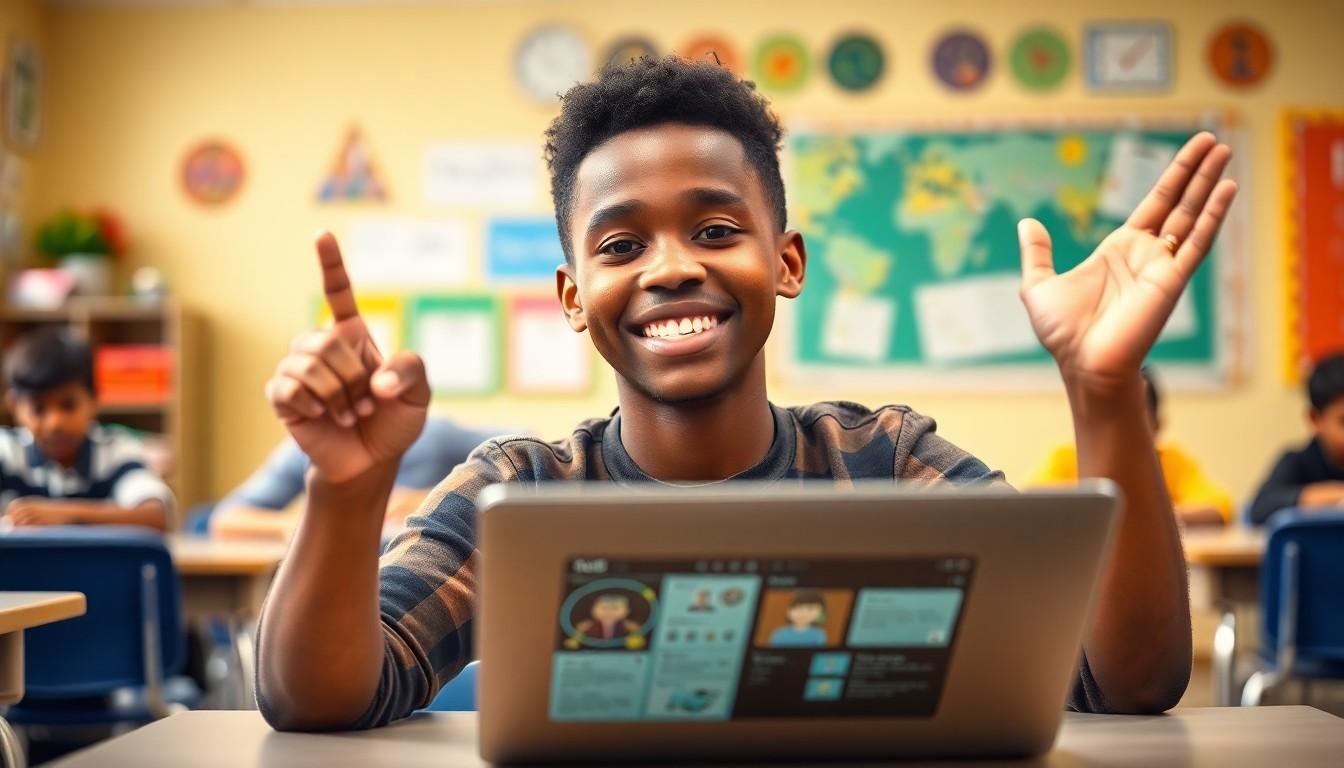
In a world where students juggle assignments like circus performers, ChatGPT has swooped in like a superhero—minus the cape but with all the brainpower. This AI marvel isn’t just a fancy chatbot; it’s reshaping the very fabric of education. Imagine having a tireless tutor available 24/7, ready to answer questions faster than a caffeine-fueled professor on exam day.
From personalized learning experiences to instant feedback, ChatGPT is turning the classroom upside down in all the right ways. It’s not just about cramming facts; it’s about engaging students in a dialogue that makes learning feel less like a chore and more like a conversation with a witty friend. As educators and students navigate this brave new world, the question remains: how has ChatGPT truly impacted education? Buckle up; the answers are as intriguing as they are transformative.
Table of Contents
ToggleOverview of ChatGPT in Education
ChatGPT significantly enhances educational experiences by offering personalized support. This AI model interacts with students in real-time, providing tailored explanations and feedback. Tutors can utilize ChatGPT to deliver lessons that adapt to individual learning styles. Students gain crucial skills by engaging with the AI, promoting critical thinking and problem-solving.
This AI tool also improves accessibility to knowledge. It allows learners from various backgrounds to access information anytime, regardless of location. Language barriers reduce as ChatGPT offers language translation features, making resources available to non-native speakers.
Engagement remains a priority, as ChatGPT fosters interactive and engaging dialogues. By simulating conversations, students feel more compelled to participate actively in their learning. Educators can integrate ChatGPT into curricula to supplement traditional teaching methods, enhancing comprehension.
Additionally, ChatGPT assists teachers with administrative tasks. It can help grade assignments and track student progress, freeing up valuable time for educators. Professional development for instructors increases as they explore AI tools to improve lesson planning and classroom management.
Data from recent studies indicate that using AI in education can boost student performance by up to 20%. The flexibility and adaptability of ChatGPT empower learners to take control of their education. More than just a resource, it acts as a partner in the learning journey, reshaping how students and educators interact with knowledge.
Benefits of ChatGPT in Learning
ChatGPT offers several benefits that enhance the educational experience. These advantages include improved accessibility and personalized learning.
Enhanced Accessibility to Information
ChatGPT increases access to information for all learners. It supports non-native speakers with effective language translation tools. Students in remote or underserved areas can access valuable resources. Constant availability encourages exploration beyond traditional materials. Students can ask questions at any time without hesitation. Its vast database allows for quick retrieval of accurate information. This access empowers learners to engage with diverse topics. Overall, ChatGPT breaks down barriers and opens doors to a wealth of knowledge.
Personalized Learning Experiences
ChatGPT tailors learning experiences to individual students. Adaptive feedback aligns with each learner’s unique needs and preferences. Conversations encourage deeper understanding, fostering critical thinking skills. Rather than only focusing on facts, it promotes interactive discussions. Learners can explore concepts at their own pace, making education less intimidating. Customizable prompts help clarify difficult subjects, enhancing comprehension. The tool also aids in setting personal learning goals. As a result, students feel more ownership over their educational journey.
Challenges of ChatGPT in Education
Despite its benefits, ChatGPT presents several challenges for education.
Dependence on Technology
Students may become overly reliant on ChatGPT for assistance. This reliance can hinder the development of essential critical thinking and problem-solving skills. Immediate access to information may reduce the motivation to foster deep understanding. Technology issues, such as outages or connectivity problems, may disrupt learning. Some educators express concern that students might misuse the technology, seeking shortcuts rather than engaging with the material. Balancing technology usage is essential to ensure that learners develop independence and resilience.
Quality of Information
Inaccuracies in information pose a significant challenge. ChatGPT may produce outdated or incorrect data, leading to misconceptions. Students may struggle to discern reliable sources from unverified content. Critical evaluation skills become necessary as they interact with the AI, prompting a need for guidance from educators. While ChatGPT provides rapid answers, thorough vetting of information remains crucial. Empowering learners to cross-check information fosters a culture of verification and improves overall comprehension.
Case Studies of ChatGPT Implementation
ChatGPT has found various applications in educational settings, leading to noteworthy improvements. Case studies illustrate how this AI tool reshapes learning experiences.
Classroom Integration Examples
Educators implement ChatGPT as a virtual assistant, offering on-demand support during lessons. This approach enables students to ask questions in real-time, receiving instant clarifications. Some instructors use ChatGPT for generating quizzes, facilitating a more interactive classroom environment. Schools also utilize the AI for language practice, allowing learners to engage in conversations in different languages. Deployment of ChatGPT in group settings fosters collaboration, as students work together to formulate and refine inquiries.
Impact on Student Engagement
Engagement levels rise significantly when ChatGPT is part of the learning process. The AI encourages learners to participate actively in discussions, since it provides immediate feedback on their contributions. Active learning opportunities emerge through interactive sessions where students can explore ideas further. Many learners report increased motivation, attributing this to the personalized experiences ChatGPT offers. Studies reveal that students show greater initiative in their education, emphasizing their curiosity and eagerness to learn more.
Future of ChatGPT in Education
ChatGPT’s role in education continues to evolve, promising various potential innovations alongside addressing essential ethical considerations.
Potential Innovations
Innovations stemming from ChatGPT enhance personalized learning experiences significantly. Adaptive learning systems could develop, using AI to adjust curricula according to individual student progress. Interactive simulations may emerge, allowing students to practice complex skills in safe environments. Collaborative projects can flourish, with ChatGPT facilitating group work by providing real-time assistance. Mobile applications may expand access to educational resources, enabling learners to engage with content anytime, anywhere. Gamified learning platforms can tap into ChatGPT’s capabilities, making education more engaging and enjoyable. These innovations demonstrate how educational institutions can integrate AI effectively, transforming traditional teaching methodologies. The aim focuses on fostering a deeper connection between students and their learning experiences.
Ethical Considerations
Ethical considerations around ChatGPT’s use in education require careful attention. Misuse could lead to academic dishonesty, as students may rely on AI-generated solutions instead of developing their understanding. Accuracy remains a concern; misinformation could mislead students, necessitating robust critical thinking skills. Educators face challenges ensuring that AI does not replace essential human interactions in learning environments. Privacy issues also arise, as data collection while using ChatGPT may compromise student information security. By establishing clear guidelines and focusing on responsible usage, educational institutions can address ethical dilemmas effectively. Continuous dialogue surrounding these challenges ensures a balanced approach as ChatGPT integrates further into the educational landscape.
ChatGPT’s influence on education is undeniable. It offers a unique blend of support and engagement that empowers learners to take charge of their educational journey. By providing personalized feedback and fostering critical thinking, it enhances the overall learning experience.
While challenges exist, such as the risk of over-reliance and misinformation, the potential for innovation remains vast. As educators embrace this technology, they can create a more interactive and inclusive environment. The future of education with ChatGPT promises to be dynamic, paving the way for deeper learning and collaboration among students and teachers alike.

