
In a world where everything seems to come with a side of “Made in China,” it’s time to give a round of applause to products made in America. Imagine sipping coffee from a mug crafted by a neighbor instead of a factory halfway around the globe. Supporting local products not only boosts the economy but also brings a touch of authenticity to everyday life. Plus, who doesn’t love the idea of their purchase contributing to a neighbor’s lunch rather than a distant corporation’s vacation fund?
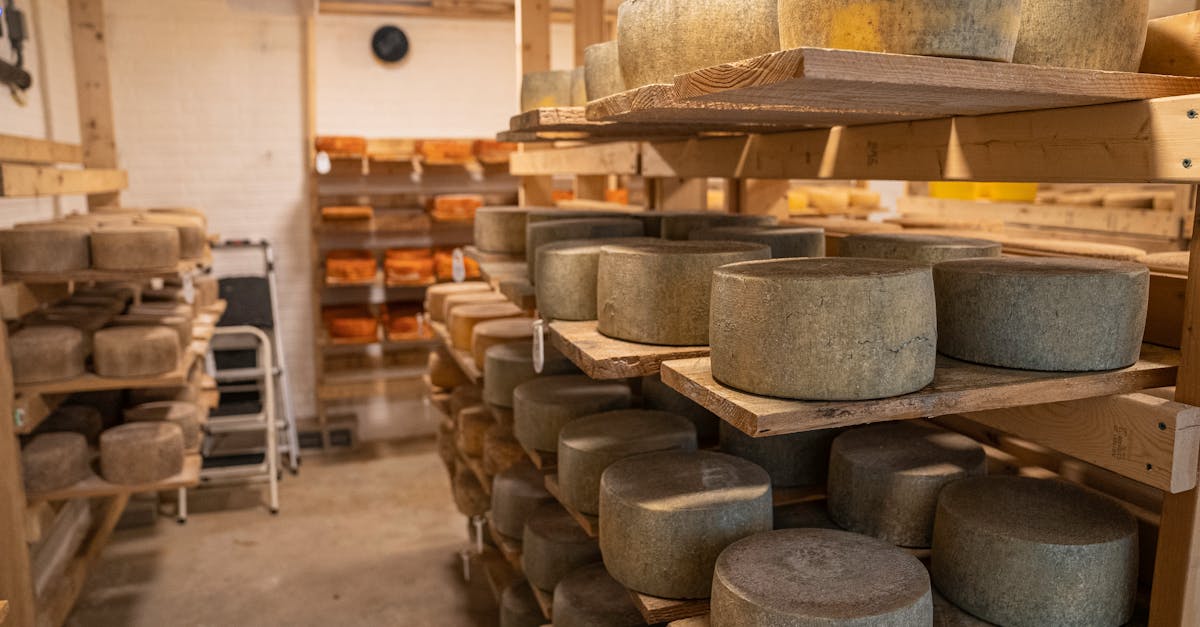
From artisanal cheeses to high-tech gadgets, American-made products embody quality and craftsmanship. They’re the unsung heroes in a sea of mass production, proving that sometimes, the best things really do come from just down the street. So, buckle up as we explore the delightful world of homegrown goods that’ll make you proud to shop local. After all, why settle for ordinary when you can support extraordinary?
Table of Contents
ToggleOverview of Products Made In America
Products made in America span a wide range of categories, showcasing the rich variety of local craftsmanship. Categories like clothing, electronics, furniture, and food highlight the diversity of American manufacturing. Artisanal foods often reflect regional identities, featuring everything from local cheeses to handcrafted chocolate.
Quality often stands out among American-made products. Many items undergo rigorous testing and adhere to higher safety standards compared to imported alternatives. As a result, consumers frequently find that these products offer durability and performance that surpass expectations.
Craftsmanship plays a significant role in American-made goods. Many brands invest in skilled labor, ensuring that each item reflects attention to detail. This dedication to excellence fosters a sense of pride, attracting buyers who appreciate quality.
Supporting American products contributes significantly to the local economy. Job creation becomes essential, strengthening communities and providing livelihoods for countless families. Buyers play an integral part in this process by choosing items produced domestically.
Innovative technology also marks the landscape of American manufacturing. From advanced machinery to cutting-edge gadgets, companies embrace modern solutions while prioritizing American labor. This unique blend often results in groundbreaking products with a distinct local flavor.
Ultimately, the choice to buy American-made products demonstrates a commitment to sustainable practices. Many manufacturers prioritize eco-friendly materials and processes, contributing to a healthier environment. Consumers discover that their purchases can have a positive impact on both their communities and the planet.
Benefits of Buying American-Made Products
Purchasing American-made products offers numerous advantages that influence both consumers and communities.
Economic Impact
Buying American-made goods strengthens the local economy. It generates jobs and supports small businesses, fostering growth in communities. Research shows that for every $100 spent on American products, approximately $68 stays in the local economy, compared to just $43 when buying imported items. Local manufacturing leads to reduced shipping costs and lower transportation emissions, benefiting the environment. Increased consumer demand for American-made items stimulates innovation and competitiveness among domestic manufacturers.
Quality and Craftsmanship
Focused attention on quality defines American-made products. Increased investment in skilled labor leads to exceptional craftsmanship. Companies often subject items to rigorous testing, ensuring safety and durability. Many manufacturers prioritize eco-friendly materials, enhancing sustainability. Products made in America frequently outperform their foreign counterparts, gaining trust through consistent performance. Shoppers often appreciate unique designs that reflect local culture and heritage, making these items not just purchases but representations of pride in American craftsmanship.
Popular American-Made Products
A wide range of American-made products exemplifies quality and craftsmanship, showcasing the diversity of local offerings.
Home Goods
Home goods manufactured in the U.S. often reflect superior craftsmanship. Brands prioritize durable materials and thoughtful design in their furniture and decor items. From handcrafted wooden furniture to artisanal ceramics, consumers find options that enhance their living spaces. Specialty kitchenware made from high-quality stainless steel ensures lasting performance. Many American-made home goods also emphasize sustainability, with eco-conscious practices used in production.
Apparel and Fashion
American-made apparel and fashion demonstrate a commitment to quality and ethical manufacturing. Numerous brands focus on using locally sourced materials, such as organic cotton and wool. Consumers often choose clothing that supports skilled labor and fair wages in the industry. Unique designs crafted by American artisans stand out in a global marketplace. Additionally, many fashion companies implement sustainable practices, creating garments that are as eco-friendly as they are stylish.
Food and Beverages
Food and beverages produced in the U.S. offer rich flavors and high-quality ingredients. Local farms often provide fresh produce, ensuring that consumers enjoy seasonal and organic options. Artisanal producers craft products from heirloom recipes, enhancing uniqueness and taste. Many American breweries and distilleries also focus on traditional methods, creating craft beers and spirits with distinctive flavors. Supporting these local food and beverage options strengthens communities and fosters a deeper connection to authentic American cuisine.
Challenges Facing American Manufacturing
American manufacturing faces several challenges that hinder its growth and competitiveness. High production costs consistently rank among the most significant issues. Manufacturers often encounter expensive labor and operational expenses compared to overseas alternatives.
Global competition also poses a substantial hurdle. Many companies import cheaper products, often sacrificing quality and craftsmanship. Firms must strategize to offer unique value to compete effectively in the global market.
Supply chain disruptions have amplified difficulties. Events like natural disasters and pandemics affected the availability of raw materials and transportation logistics. Manufacturers find it critical to diversify their supply chains to mitigate these risks.
Workforce shortages represent another pressing challenge. Many skilled labor positions remain unfilled, limiting productivity and innovation. Companies invest in training programs to attract new talent and retain existing workers.
Regulatory compliance further complicates operations. Stringent regulations related to safety and environmental concerns increase the burden on manufacturers, straining resources. Compliance requires constant adaptation to evolving standards, which can divert attention from core business activities.
Lastly, a lack of consumer awareness about the benefits of purchasing American-made products affects market dynamics. Despite the evidence showing substantial local economic impact, many customers still prioritize price over origin. Educating consumers about the advantages of supporting American manufacturing becomes essential to foster demand.
Future of Products Made In America
Emerging trends indicate a strong shift towards American manufacturing. Companies adopt innovative technologies to enhance efficiency and quality, positioning themselves competitively. Sustainability continues to take center stage, with many brands prioritizing eco-friendly materials and practices. These developments resonate with consumers looking for more ethical purchasing options.
Growth in local craftsmanship showcases not only quality but also a unique cultural identity. Increased consumer awareness about the benefits of supporting American-made products drives demand. Many manufacturers focus on transparency, allowing consumers to understand where and how products are made. This emphasis on authenticity strengthens connections between brands and customers.
Job creation remains a crucial part of the conversation. Local manufacturing significantly contributes to workforce growth, stimulating economies at community levels. Research shows that spending $100 on American products keeps approximately $68 in the local economy, as opposed to just $43 for imported alternatives. This economic benefit encourages more consumers to choose local goods.
Manufacturers face challenges such as high production costs and skilled labor shortages. Strategies focused on enhancing worker conditions and encouraging vocational training may help fill these gaps. Navigating regulatory compliance also requires careful planning and adaptation. Increased collaboration among businesses can foster innovation and problem-solving.
Success in the future hinges on continuous adaptation to market demands. As consumers increasingly prioritize quality and sustainability, manufacturers that innovate and stand behind their commitments to local production will thrive.
Supporting American-made products is more than just a shopping choice; it’s a commitment to quality craftsmanship and local economies. By choosing these goods, consumers play a vital role in fostering job creation and community growth. The rich variety of American products showcases the dedication of local manufacturers to excellence and sustainability.
As awareness grows about the benefits of buying American, the shift toward local manufacturing becomes increasingly significant. This movement not only enhances the economy but also strengthens cultural ties and promotes ethical practices. Embracing American-made products is a step toward a more sustainable and connected future.

