
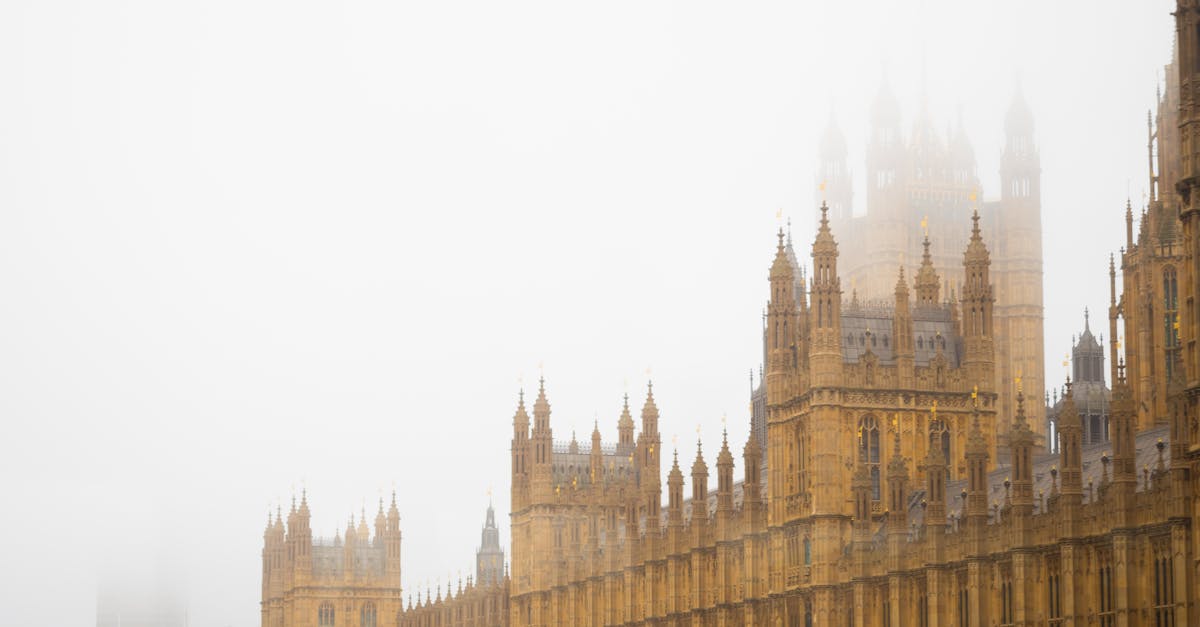
British politics can feel like a never-ending soap opera, complete with plot twists, dramatic exits, and a cast of characters that could rival any reality show. From the iconic House of Commons to the colorful debates that often resemble a game of verbal tennis, the political landscape in the UK is anything but dull.
Table of Contents
ToggleOverview Of British Politics
British politics operates like a vibrant drama, brimming with activities and pivotal moments. Its complexity stems from its rich history and the role it plays on the global stage.
Key Features
Diverse political parties showcase a wide range of ideologies. The Conservative Party and the Labour Party dominate national discourse. Engaging parliamentary debates occur regularly, contributing to an energized political landscape. Public opinion significantly influences policies, reflecting the electorate’s views. Frequent elections help maintain accountability and transparency within the government. Additionally, media plays a crucial role in shaping narratives around political events.
Governing Bodies
The UK Parliament consists of two houses: the House of Commons and the House of Lords. The House of Commons serves as the primary legislative body, where elected Members of Parliament debate and vote on laws. Conversely, the House of Lords consists of appointed members and experts who review legislation. The Prime Minister, elected from the majority party in the Commons, leads the government. Alongside the Prime Minister, the Cabinet oversees various government departments and implements policy decisions. Local governments also contribute to political governance, addressing community-specific issues.
Historical Context
British politics possesses a rich tapestry shaped by significant events and influential figures. Its evolution reflects changing societal values and attitudes.
Major Milestones
The Magna Carta of 1215 marked a cornerstone in British political history by limiting the power of the monarchy. The establishment of the Parliament in the 13th century laid the groundwork for modern governance. The English Civil War (1642-1651) fundamentally challenged royal authority, shifting power towards a parliamentary system. The Glorious Revolution of 1688 solidified parliamentary supremacy, ensuring a constitutional monarchy. The Reform Acts of the 19th century expanded voting rights, gradually democratizing politics for men and women. Each milestone contributed to the complex nature of contemporary British governance.
Influential Figures
Key political figures greatly impacted the trajectory of British politics. Figures like Oliver Cromwell altered perceptions of authority during the English Civil War. The leadership of Winston Churchill during World War II inspired national unity and resilience. Margaret Thatcher’s tenure as Prime Minister redefined economic policies with a focus on free markets. Tony Blair’s administration introduced significant social reforms, including the devolution of powers to Scotland and Wales. These individuals left indelible marks on political ideologies and governance styles, shaping modern Britain.
Current Political Landscape
British politics remains vibrant and ever-changing, characterized by diverse parties and regular electoral shifts. The influence of public sentiment plays a crucial role in shaping policies across the nation.
Political Parties
Numerous political parties contribute to the UK’s unique political scene. The Conservative Party leads in promoting free-market policies, emphasizing individual responsibility. Labour advocates for social justice and workers’ rights, appealing to a broad base. The Liberal Democrats prioritize civil liberties and social liberalism, often seeking to bridge divides between the major parties. Additionally, regional parties like the Scottish National Party highlight local interests, bringing further complexity to national discussions. Lastly, smaller parties such as the Green Party focus on environmental issues, advocating for sustainable practices and climate action.
Recent Elections
Recent elections have further illustrated the shifting political landscape in the UK. The 2019 general election resulted in a Conservative majority, influencing numerous policies and Brexit negotiations. Voter turnout reached approximately 67%, reflecting heightened public engagement. Following this, local elections in 2021 indicated fluctuating support for various parties, with the Labour Party gaining in key metropolitan areas. The 2024 elections are anticipated to be closely contested, with numerous factors, including economic conditions and public health responses, likely impacting voter decisions. Active participation is expected, as citizens seek to have their voices heard amid ongoing political debates.
Challenges Facing British Politics
British politics faces numerous challenges that impact governance and public trust. Key issues include the ramifications of Brexit and pressing social concerns.
Brexit Impact
Brexit significantly altered the political landscape in the UK. Numerous uncertainties emerged regarding trade agreements, immigration policies, and relationships with the European Union. Economic forecasts show varied projections, with some experts predicting a decline in GDP growth and trade volumes. While the government emphasizes the creation of new trade deals, public opinion remains divided on the effectiveness of these strategies. Political factions also grapple with the implications of Brexit on Scotland’s independence aspirations and Northern Ireland’s stability. Decisions on regulatory frameworks further complicate post-Brexit governance, requiring immediate attention to mitigate long-term consequences.
Social Issues
Social issues challenge British politics, contributing to a complex atmosphere. Rising inequality remains a significant concern, with wealth disparities widening across different demographics. Access to affordable housing impacts many citizens, prompting calls for policy reforms. Healthcare, education, and public services increasingly face pressure due to budget constraints and rising demand. Significant debates revolve around immigration, social justice, and racial equality, engaging diverse groups in the political dialogue. Citizens demand more robust responses to mental health needs and environmental sustainability. These interconnected social issues require immediate political focus, as solutions can shape public trust and engagement in government institutions.
Future Trends In British Politics
The landscape of British politics is evolving rapidly, with emerging movements and potential reforms garnering attention. Various factors influence these trends, including public sentiment and key social issues.
Emerging Movements
Climate activism has gained momentum in recent years, with groups like Extinction Rebellion and Youth Strike for Climate leading the charge. Citizens increasingly demand urgent action on environmental policies. Additionally, social justice movements are amplifying voices advocating for racial equality and economic fairness. The growth of grassroots activism reflects a shift toward more civic engagement among younger voters. Finally, regional parties are picking up steam, especially in Scotland and Wales, as they seek greater autonomy.
Potential Reforms
Electoral reform is a hot topic, with conversations about proportional representation gaining traction. Many believe this could address the disparities in party representation in Parliament. Local governance might also witness changes, ensuring communities have a stronger voice in decision-making processes. Policies on wealth redistribution could emerge as another focus, targeting growing income inequality. Various proposals aim to enhance transparency and accountability in government, fostering renewed public trust and engagement. Furthermore, Brexit-related reforms are essential to navigate trade relations and immigration policies effectively.
British politics continues to captivate with its blend of historical depth and contemporary challenges. The interplay of various parties and the influence of public opinion shape a dynamic landscape that reflects the nation’s values and aspirations. As new movements gain traction and pressing social issues demand attention, citizens are more engaged than ever in the political process.
The upcoming elections will likely serve as a pivotal moment for the UK, testing the resilience of its democratic institutions. With debates on climate action, social justice, and regional autonomy at the forefront, the future of British politics promises to be as dramatic and unpredictable as ever.

